
Tools to clean infected USB drives
Find the best Tools to clean infected USB drives It is now an absolute priority, given that these devices remain critical vectors for the spread of sophisticated malware in 2026.
Advertisements
Although the cloud dominates much of file sharing, physical storage remains relevant due to its speed and privacy, making it a recurring target for denial-of-service attacks.
What are shortcut viruses and how do they affect your USB drive?
Malicious code that attacks removable drives often transforms their folders into useless shortcuts while hiding the original content in invisible sectors of the file system.
This technique seeks to trick the user into running a malicious script when trying to open their documents, allowing the virus to permanently reside on the host computer.
Often, these attacks don't seek to destroy information, but to turn your device into a "zombie" that infects every port it connects to.
Advertisements
It's disturbing how a simple compressed file can trigger a chain infection, affecting entire corporate networks if not properly managed. Tools to clean infected USB drives immediately and professionally.
How will disinfection tools work in 2026?
Modern security has evolved from simple signature databases to advanced heuristic analysis powered by local language models.
These utilities scan the device's boot structure (MBR) and data sectors looking for rhythmic irregularities in the code that suggest the presence of ransomware or silent miners.
Read more: Guide to cleaning your laptop without losing data
When a drive is inserted, the protection software creates an isolated environment or "sandbox" to analyze the behavior of autorun files without putting the operating system at risk.
This methodology allows you to identify processes that attempt to replicate or connect to external servers, ensuring that the cleaning process is surgical and does not affect the integrity of your photos or personal documents.
Comparison of Professional Cleaning Utilities (2026)
| Tool | Main Function | Type of Analysis | Effectiveness against Hidden Malware |
| Kaspersky Removal Tool | Comprehensive disinfection | Advanced Heuristic | Very High |
| Malwarebytes AdwCleaner | Adware/PUP Removal | Signature and Cloud | High |
| USB Resq | File restoration | System Attributes | Specialized |
| ESET Online Scanner | Deep spot scanning | Artificial intelligence | Very High |
Why do generic solutions often fail against new infections?
Many users make the mistake of relying solely on quick system formatting, an action that sometimes leaves behind malicious code residue in non-indexed sectors.
Contemporary malware often hides in hidden partitions that the standard file explorer cannot view or delete using conventional disk management commands.
Use Tools to clean infected USB drives specifically designed for this purpose ensures that the "hidden" and "system" attributes are restored correctly.
Read more: Recommended cleaning tools for PC gamers
Without this technical step, your files might still exist in memory, but they would remain inaccessible to the user, creating the false perception that the information has been lost forever.
For a deeper technical understanding, please visit the official website of VirusTotal to analyze suspected samples.
What are the signs that your memory urgently needs a clean-up?
If you notice that your drive name has changed to strange characters or if files with the .lnk or .vbs extension appear that you never created, your device is compromised.
Another telltale symptom is the extreme slowdown of the computer when the USB is connected, indicating that a malicious process is consuming processing resources in the background.
The sudden disappearance of folders, even though the disk properties indicate that the space is still occupied, is an unmistakable sign of a stealth virus.
Read more: Unleash Your Phone's Potential: Discover the Best Memory Optimization Apps
In these scenarios, the preventive use of Tools to clean infected USB drives It prevents the infection from spreading to your synchronized cloud storage or critical backups of your work.
What precautions should be taken before starting the rescue process?
Before running any cleaning software, it is imperative to disable the Windows autoplay feature to prevent the virus from running when you connect the hardware.
It is also recommended to perform the scan in "Safe Mode" to limit the replication ability of any active process that attempts to protect the malicious code during its removal.
Editorial positioning in cybersecurity suggests that suspicion is the best defense; never open a file directly from an unknown drive without a prior scan.
The Tools to clean infected USB drives Current ones offer the "vaccination" option, which creates undeletable folders to block the automatic creation of autorun files, a simple but highly effective technique against classic threats.
How to recover files that the virus marked as hidden?
Even after the malicious code is removed, your documents may still not appear in normal view due to changes in read and write attributes.
There are lightweight utilities that automatically execute console commands to revert these modifications without the user having to learn complex operating system syntax.
This step is vital because modern malware seeks to psychologically wear down the user, making them believe that their data has been encrypted or completely erased from storage.
When using Tools to clean infected USB drives, A smooth transition from an unused device to a functional work tool is guaranteed, regaining full control over every bit of stored information.
The future of physical security in digital environments
The convergence between predictive hardware and software is defining a new era where physical ports have their own dedicated security microcontrollers for analysis.
Protection no longer resides solely in the operating system, but in the integrated intelligence that audits each data packet before allowing it to enter flash memory.
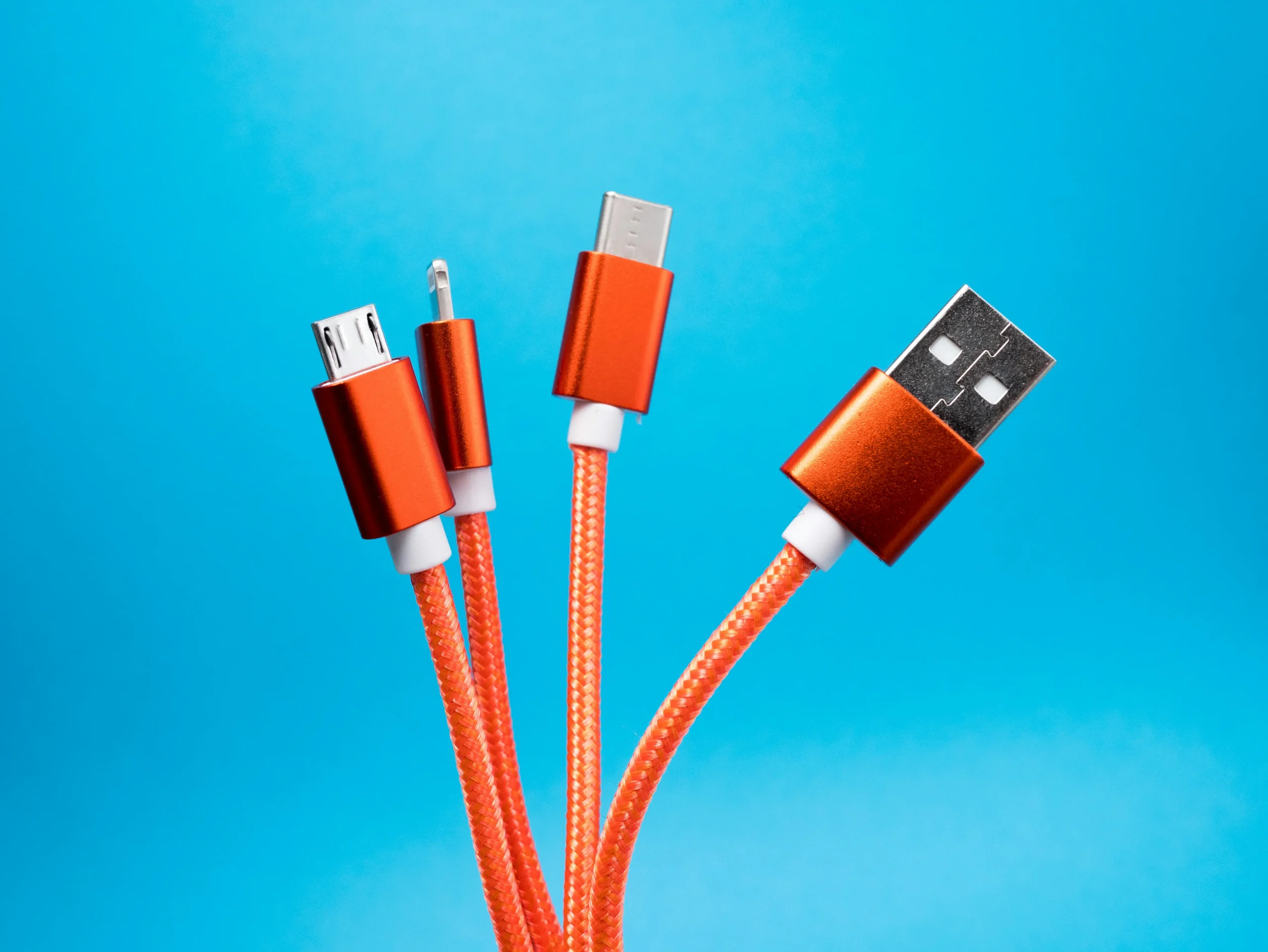
Staying up-to-date with the Tools to clean infected USB drives It is a necessary digital hygiene exercise for any professional who handles sensitive or confidential information.
If you wish to learn more about global data protection policies and security standards, we recommend consulting the technical guides of the NIST (National Institute of Standards and Technology).
FAQ: Frequently Asked Questions
1. Does formatting a USB drive always remove all viruses?
Not always. Some advanced malware can reside in the memory controller firmware or in hidden recovery partitions that a quick format fails to clean.
2. Can I infect my cell phone if I connect an infected USB drive using an OTG adapter?
It's possible, although mobile operating systems have different architectures. The malware might not execute, but the phone will act as a carrier, infecting other devices when connected via cable.
3. Is it safe to use free cleaning tools?
Yes, provided they come from reputable developers like those listed in our table. Avoid downloading utilities from unknown sites that promise miracle solutions without technical support.
4. Why didn't my antivirus detect the virus when I inserted the memory card?
It is likely that this is a new variant (Zero-Day) or that the virus uses obfuscation techniques that evade superficial scans by some basic security programs.
5. What is the "vaccination" of a USB drive?
It is a process that creates specific files or directories that confuse the malware, preventing it from writing its own self-booting code to the root of memory, thus blocking the initial infection.
\