
How to organize your personal documents without spending money on stationery
Learn to organize your personal documents Doing so efficiently represents one of the best decisions to simplify your daily routine and regain control over your physical space.
Advertisements
Traditional organization methods often require the purchase of expensive plastic folders, colored dividers, and metal filing cabinets that strain your household budget.
Optimizing your private archive requires ingenuity, discipline, and the intelligent use of the resources you already have at home.
Why does cluttered paperwork create stress in the home environment?
The excessive accumulation of old correspondence, overdue utility bills, and manuals for broken appliances visually clutters the desks of any modern home.
This constant presence of inactive bureaucracy conveys a sense of unfinished tasks that silently but continuously raises anxiety levels.
Advertisements
Finding an important health certificate under a mountain of old advertising becomes an odyssey that destroys your patience.
There is a misconception that an efficient archive requires a complex industrial storage system worthy of a large multinational corporation.
When trying organize your personal documents, The fundamental secret lies in reducing the total volume of physical paper before looking for a permanent storage location.
Minimalist sorting lightens the load of your move and saves valuable minutes when an urgent government procedure arises.
Separating what is essential from what is unnecessary prevents you from making the serious mistake of destroying tax receipts needed for future clarifications with the authorities.
Document organization acts as a direct reflection of your financial health, allowing for accurate monitoring of actual household expenses.
Taking the initiative to tidy your desk brings harmony and productivity back to your shared workspaces.
How to organize your files using recycled resources you already have?
The eco-friendly alternative to business folders involves reusing rigid cardboard shoe boxes, old mailing envelopes, and clean cereal containers.
These everyday objects can easily be transformed into excellent vertical dividers if you cut them diagonally and cover them with scraps of leftover paper.
Dividing your file into logical categories allows you to locate any receipt in less than thirty seconds without spending any money.
Dividing information into four fundamental pillars is the most solid strategy for maintaining control of your file in the long term: health, finances, housing, and education.
Use separate boxes for each family member, identifying the fronts with handwritten labels on leftover cardboard from commercial packaging.
The vertical storage method optimizes the available space in your closet drawers without crushing the sheets.
Home digitization using free mobile applications successfully complements this physical effort, allowing for the backup of exact copies of birth certificates in the cloud.
This hybrid practice reduces the need to keep physical printed backup copies that only take up dead space on your information shelves.
The international cybersecurity protocols promoted by the Organization of American States (OAS) They advise keeping encrypted digital copies.
What are the legal guidelines for safely purging old documents?
Getting rid of useless paperwork requires knowing the legal statute of limitations for debts to avoid destroying vital financial evidence prematurely.
Rental receipts, credit card statements, and insurance payments must be kept under lock and key for specific periods.
Once these backup periods have expired, the remaining paper must immediately undergo a responsible destruction process.
This is often misinterpreted by those who keep supermarket receipts from ten years ago out of simple inertia or fear of confusing bureaucratic reprisals.
For organize your personal documents In a mature way, you must overcome the emotional attachment to expired warranties on technological devices that you no longer own.
Read more: Insufficient Android storage: effective solutions
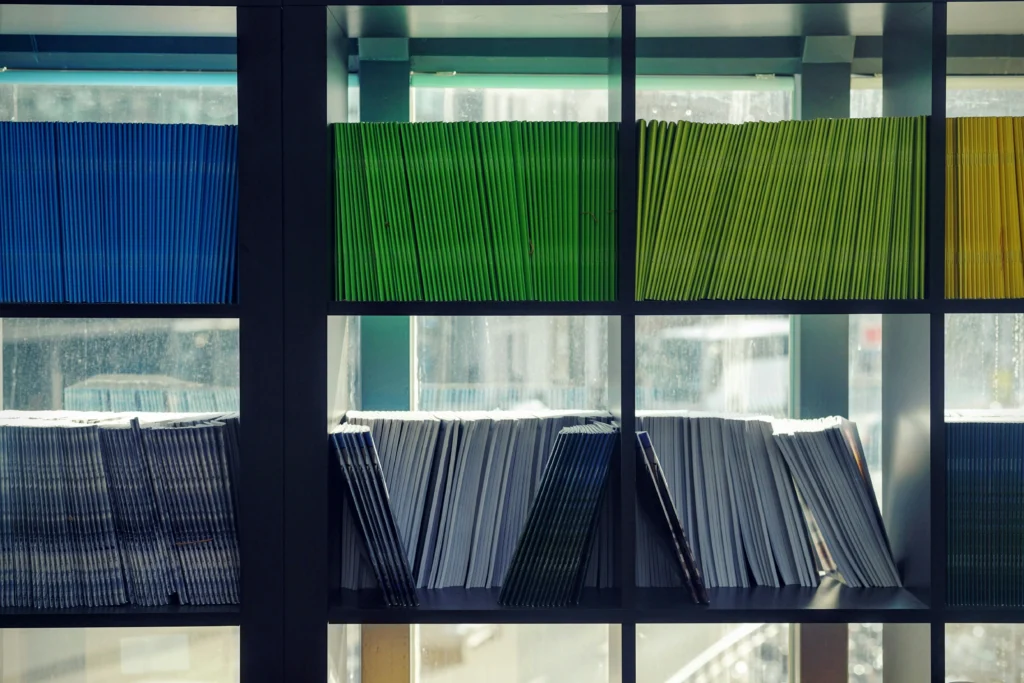
Cleaning out your filing system annually prevents physical clutter from taking over your home office drawers again.
The destruction of confidential documents containing identity numbers or bank details must be done manually, by cutting the sheets into tiny strips.
This preventative step blocks attempts at identity theft by strangers who search public garbage containers.
The personal data protection regulations detailed by the Portal of the Government of Spain (General Administration) They reinforce the importance of secure data erasure.
Table of official retention periods for domestic documents
The success of document disposal lies in applying objective criteria based on current legal conservation regulations for the average citizen.
Read more: Downloads folder full: which files you can safely delete
We present a practical summary with the recommended timeframes for cleaning up your files without running future legal risks.
| Document Category | Recommended Retention Time | Ideal Storage Format | Final Destination of Paper |
| Deeds and Titles | Permanent (For life) | Original Physical Copy (Safe) | Strict Conservation |
| Tax Returns | 4 to 5 Years (Depending on the country) | Hybrid (Physical and Digital) | Confidential Destruction |
| Supply Receipts | 1 Year (After year-end) | Digitized (Eliminate Physical) | Common Recycling |
| Consumer Guarantees | Duration of the Current Contract | Digitized along with the Ticket | Conventional Waste |
Towards a lighter, less bureaucratic home
Implementing a continuous disposal routine transforms document management from a tedious task into an automated deep cleaning habit.
Reusing materials that already exist in your home demonstrates that true order depends on consistency, not money spent.
A compact file reduces mental load, allowing you to focus your energies on activities that truly enrich your family life.
Read more: Android backups: Google adds new controls
Maintaining discipline to organize your personal documents Without incurring unnecessary expenses, protect both your finances and the planet's natural resources.
Each recycled envelope you use is one less piece of plastic that ends up polluting the urban ecosystems of your local community.
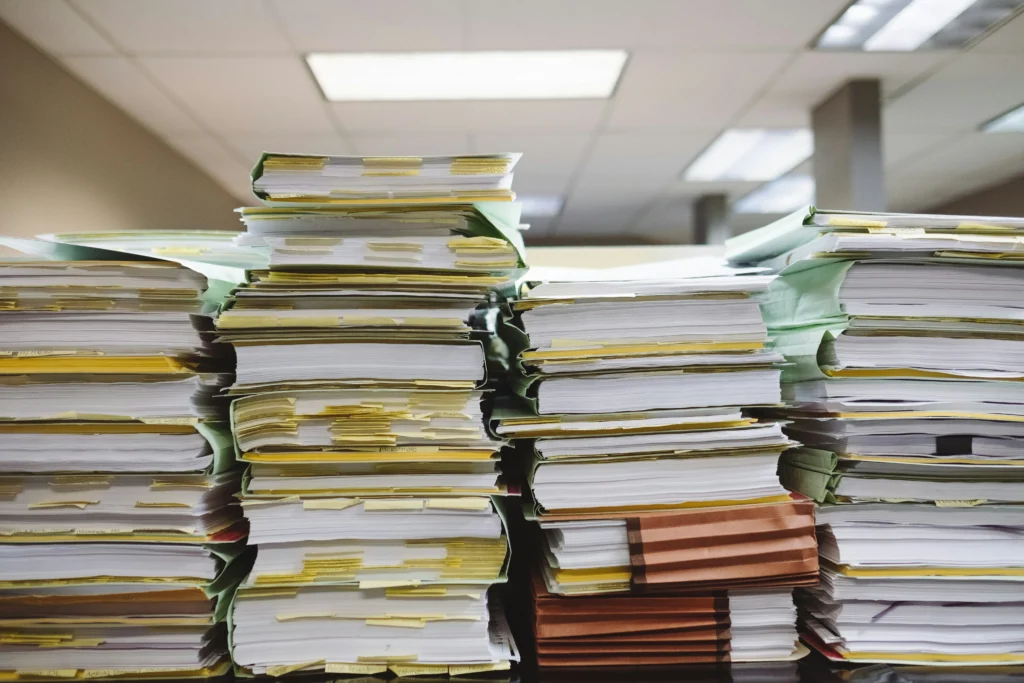
Take a few minutes this weekend to declutter your drawers and enjoy the pleasure of a visually balanced environment.
Frequently Asked Questions (FAQ)
How can I replace the plastic dividers in business folders?
You can make highly resistant dividers by cutting rectangles from cereal boxes or cardboard from old school binders that your children no longer use.
Write the category name in a small side tab that protrudes to facilitate visual navigation.
What personal documents should never be digitized and the original thrown away?
Official university degrees, property deeds, original marriage certificates, and notarized wills should never be destroyed.
Government and notarial institutions require the presentation of the original paper with wet seals to validate any legal procedure.
Where is the best place to store the box of important documents in the house?
Choose a high, dry, and cool spot inside your main closet, away from water pipes prone to destructive moisture leaks.
Make sure all adult members of the household know the exact location of the file in case of an emergency evacuation.
Is it safe to use mobile apps to scan private invoices?
Yes, as long as you choose recognized applications that process the information directly within your device's memory without uploading files to unknown public servers.
Activate two-step verification on your cloud storage account to protect your digitized files.
\