
European Health Insurance Card (EHIC): how it works and who is entitled to it
The European Health Insurance Card (EHIC) It is an essential document for those residing in Europe who wish to ensure their access to medical care in other countries within the European Economic Area.
Advertisements
Beyond its basic functionality, the ETI has become a symbol of international cooperation and a key tool for the rights of European citizens.
In this article, we'll take an in-depth look at how it works, who can apply, and how to maximize its benefits.
What is the European Health Insurance Card (EHIC) and what is it for?
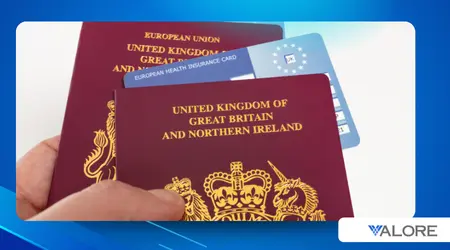
The European Health Insurance Card It is a free document that allows citizens of member countries to access necessary medical care during temporary stays in another EEA country or Switzerland.
It's important to note that it doesn't replace travel insurance, but it does ensure that policyholders receive the same assistance as local residents in similar circumstances.
Advertisements
For example, if a traveler suffers an accident or faces a sudden illness, the EHIC covers necessary medical treatment, including hospitalizations, consultations, and medications.
Additionally, in some cases, certain chronic or pre-existing treatments are also included, as long as they are essential during the stay.
This ensures that travelers can continue their activities without additional worries.
Another relevant point is that, although the ETS ensures equal treatment, beneficiaries must comply with the regulations of the country where they are located.
This includes possible copayments, reimbursements, or administrative procedures, which may vary by region.
Therefore, being informed about local regulations before traveling is crucial to avoid unpleasant surprises.
++ The power of compound interest and how it can transform your economy
Who is entitled to apply for the TSE?
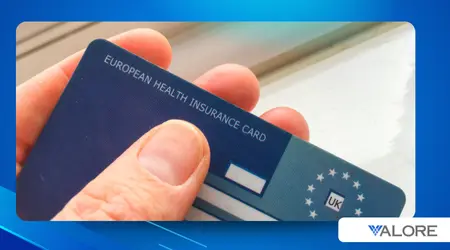
The TSE It is primarily aimed at citizens of countries in the European Economic Area and Switzerland.
However, it can also be requested by legal residents who are affiliated with the social security system of their country of residence.
This inclusive approach ensures that both nationals and foreigners can benefit from the public health system in unforeseen situations.
It is essential to understand that the EHIC is not linked to citizenship, but rather to affiliation with a member country's health system.
For example, an international student living in Spain and registered with the healthcare system can access the card.
Likewise, cross-border workers and persons temporarily displaced abroad may be eligible.
Despite its broad scope, there are restrictions.
People who are not covered by social security or who reside illegally in a country will not be able to apply for the EHIC.
This reinforces the importance of being registered with the local health system and complying with the corresponding legal requirements.
How to apply for and renew the European Health Insurance Card
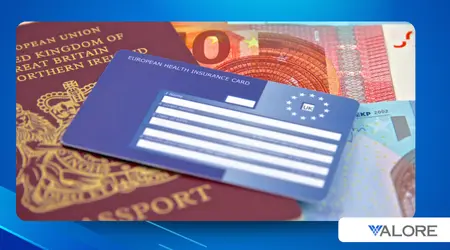
The process to obtain the TSE It varies slightly between countries, but in general it is simple and accessible.
In most cases, citizens can apply through digital platforms, local social security offices, or even by mail.
It is advisable to plan this process well in advance, as issuance times can range from a few days to several weeks.
To renew your card, it's essential to ensure it hasn't expired. The validity period is typically one to five years, depending on the issuing country.
While some renewals may be done automatically, it's common for a new application to be required, especially if there have been changes in employment or residence status.
Once issued, the TSE must be kept in good condition and carried at all times when traveling.
If your card is lost or stolen, many countries offer the option of issuing a provisional certificate to guarantee medical coverage while a replacement is processed.
++ How to save money without sacrificing your comforts: Practical tips
TSE Coverage: What's Included and What's Not
Although the European Health Insurance Card It is a powerful tool, its coverage has limits that holders should be aware of.
The card covers necessary medical treatment that cannot wait until returning to the country of origin, but does not include services such as medical repatriation or assistance in situations that are not considered urgent.
For example, if a tourist needs emergency surgery due to an accident, the TSE will cover the costs under the conditions of the health system of the country visited.
However, if the policyholder decides to return to their country to continue treatment, these additional costs will not be included.
Furthermore, it is important to emphasize that the EHIC does not cover planned medical treatments, such as cosmetic surgery or specific checkups that are not urgent.
For these types of services, it is essential to have supplemental health insurance or follow other administrative procedures.
Countries where the European Health Insurance Card is valid
The EHIC is valid in all 27 countries of the European Union, as well as in Iceland, Liechtenstein, Norway, and Switzerland.
Although these countries share common healthcare principles, each system has unique characteristics that can influence access and costs.
| Country | System Features | Applicable copayments |
|---|---|---|
| Germany | System based on public and private insurance | Low co-pays on medications |
| Spain | Universal and free system in most cases | No co-payments in emergencies |
| France | Mixed system, with partial refunds | Average 70% refunds |
| Sweden | Universal system with fixed rates per consultation | Mandatory copayments |
| Swiss | System based on private insurance | High costs and limited reimbursements |
It's essential to understand the characteristics of your destination's healthcare system to avoid confusion and better plan your expenses.
Practical tips for using the TSE efficiently
- Research before you travel: Find out about the health system rules of your destination country and any possible copayments or restrictions.
- Take out supplementary insuranceAlthough the EHIC offers basic coverage, additional travel insurance can cover repatriation, lost luggage, and other eventualities.
- Save all documents: Invoices, receipts, and forms are essential for potential claims or refunds.
The European Health Insurance Card (EHIC) It is an indispensable tool for European travelers.
++ Why does your cell phone get so hot? The secrets that no one tells
With proper planning and awareness of your limitations, you can ensure peace of mind in unexpected situations, fostering a safer and more enjoyable travel experience.
\