
Personal finance apps you should know about
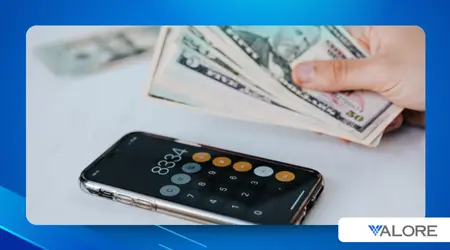
Mastering your personal finances is a must in 2025; the essential tool to achieve this is having the right ones. Personal finance apps you should know about.
Advertisements
We live in a time where technology merges with the domestic economy, creating practical solutions.
Every day, financial management evolves, leaving behind confusing, manual spreadsheets. The revolution of fintech It has simplified the tracking of our income and expenses.
Can we really afford to ignore these tools that offer us economic clarity with just a tap on the screen? The answer is undoubtedly no.
The digital landscape presents tools that not only record our finances but also guide us toward prosperity. It's time to understand how these platforms are redefining our relationship with money.
Advertisements
What impact do personal finance apps have on everyday finance?
Mobile apps act as your personal accountant, available 24/7. They centralize all your banking, card, and investment information in one consistent view.
This instant visibility helps identify spending patterns that previously went unnoticed. Improving your financial health begins with an accurate understanding of your current situation.
These platforms transform the abstract concept of money into concrete, visual data that facilitates decision-making. Effective budgeting is no longer a tedious task, but an automated process.
Read more: News about travel and urban mobility apps
Convenience and accessibility are the great promises that these modern tools deliver. They free us from the mental burden of constant, manual record-keeping.
How do I select the right financial management app for my needs?

The right choice depends entirely on your financial goals and lifestyle. Some apps excel at tracking daily expenses and creating short-term budgets.
++Mobile applications for mental health management
Others, however, focus on long-term planning, investment tracking, and debt management. You need to find the one that aligns with your economic philosophy.
A key feature is security: the app must have advanced encryption and comply with strict regulations. Never compromise the security of your financial data for a pretty interface.
Also consider ease of use and compatibility with your banking entities and the regional ecosystem where you operate.
++5 apps to organize your day effectively
The ideal app is one that integrates seamlessly into your routine.
Which personal finance apps should you know to budget effectively?
For those seeking rigorous budget management, there are outstanding options with proven methodologies. Not all tools are created equal, nor are they suitable for every user.
YNAB (You Need A Budget)For example, it follows the philosophy of "putting a job to every dollar." This method encourages being proactive, planning spending before the money arrives.
++5 recommended apps to organize your personal finances
Their zero-budget approach fosters complete awareness of where every penny goes. It's a transformative system for those struggling with excessive and uncontrolled spending.
Another relevant player is Monarch MoneyIt offers a holistic view of your net worth, including investments. Its clean interface makes it easy to understand complex financial scenarios.
For a more accessible tool with a strong presence in Latin America, Fintonic Fintonic stands out for automatically categorizing transactions. It also sends helpful alerts about fees or duplicates.
| Featured Application | Main Focus | Key Methodology | Ideal For |
| YNAB | Budget and Proactivity | Zero Budget | Spending Control and Long-Term Savings |
| Monarch Money | Net Worth and Investment | Comprehensive and Consolidated View | Users with Multiple Accounts and Investments |
| Fintonic | Classification and Alerts | Smart Banking Aggregator | Daily Monitoring and Detection of Unnecessary Charges |
Why do the personal finance apps you should know about go beyond simply tracking expenses?
The evolution of these platforms has integrated artificial intelligence and machine learning functions.
Now, they can predict future expenses and suggest specific ways to save, personalized.
Just as a lighthouse guides ships through fog, these tools illuminate our financial path. They warn us of potential detours and keep us on course toward our goals.
Consider the case of Rocket Money (formerly Truebill), which shines by identifying subscriptions you forgot you had.
A user could be paying for a music streaming service that they haven't used for months.
This app can automatically negotiate or, in some cases, cancel those recurring charges on your behalf. This can free up a portion of your monthly budget without you even realizing it.
Another example is the ability to PocketGuard to tell you how much money you "really" have to spend safely.
It does so after subtracting fixed accounts, recurring expenses, and established savings goals.
This feature prevents overdrafts and promotes discipline, offering financial peace of mind. The real advantage lies in the intelligent automation of cash flow management.
What statistics confirm the relevance of using personal finance apps that you should know?
The widespread use of financial technologies is not a passing fad, but a consolidated and growing trend. In Latin America, the fintechs have experienced a notable increase since 2017.
A Mastercard report underscores this phenomenon, revealing that the ecosystem has grown an impressive $340\%$ in the number of fintechs.
This demonstrates the high demand for these digital solutions.
Furthermore, $75\%$ of the respondents in this same study state that the fintechs have helped reduce their dependence on cash.
This makes everyday financial management much more efficient and transparent.
This statistic underscores a significant cultural shift towards the complete digitization of transactions. Personal finance apps you should know about They are the spearhead of this transformation.
Conclusion: Personal finance apps you should know about
The Personal finance apps you should know about They are more than just a transaction tracker.
They are powerful allies in building a more stable and conscious economic future, acting as a digital consultant.
Adopting these tools means taking control of your financial life with accurate, real-time information. The era of self-imposed financial ignorance is definitely over.
It is not enough to earn money; the ability to manage it makes the difference between frustration and freedom.
It's the perfect time to digitize your path to personal wealth.
Proactive management is the key to unlocking your full financial potential, with the best technological tools at your disposal.
Frequently Asked Questions: Personal finance apps you should know about
Is it safe to link my bank accounts to these apps?
Yes, reputable personal finance apps use bank-grade encryption (such as 256-bit AES) and robust security protocols. They never store login credentials. It's recommended to only use apps with two-factor authentication (2FA).
Are personal finance apps free?
Many apps offer a free basic version that's sufficient for essential expense and budget tracking. Advanced features, such as detailed reports or unlimited account syncing, often require a subscription. premium monthly or annual payment.
Can I use these apps to track my investments?
Absolutely. Apps like Monarch Money or Personal Capital are specifically designed to provide a consolidated view of your net worth. They integrate investment accounts, retirement funds, and bank balances for in-depth analysis.
How long does it take to see results with a budgeting app?
Most users report a significant improvement in spending awareness within the first month of consistent use. Tangible results, such as increased savings or reduced debt, become visible starting in the third month of disciplined spending.
\