
Google adds intrusion logs to investigate mobile attacks
Google adds intrusion logs in its mobile ecosystem to revolutionize current cybersecurity, allowing experts to analyze complex breaches with a technical accuracy never before seen on devices.
Advertisements
This crucial update directly addresses the massive increase in sophisticated threats exploiting unknown vulnerabilities in smartphones, demanding rapid institutional responses and truly advanced forensic diagnostic tools today.
Digital security experts applaud the initiative because it facilitates the collection of critical evidence during serious incidents, drastically optimizing the time spent mitigating malicious cyberattacks today.
Understanding this advanced technological mechanism is essential to understanding how modern defenses against international cybercrime are evolving, protecting millions of personal and corporate data stored on today's everyday mobile devices.
What are mobile intrusion logs?
Highly specialized files that record operating system anomalies form the basis of this new feature, capturing suspicious events with pinpoint accuracy during executions of currently hidden malicious code.
Advertisements
Experienced forensic analysts gain direct visibility into unusual behaviors of suspicious applications, reducing the hours traditionally spent exhaustively identifying unknown attack vectors within endpoints.
Any subtle attempt at identity theft or unauthorized access is automatically documented, allowing for rigorous subsequent audits that guarantee the total integrity of the corporate mobile platform under attack.
Developers and prestigious hardware manufacturers are integrating standardized protocols to process these records without compromising the overall performance or energy autonomy of modern smartphones used daily.
Unparalleled operational efficiency and defensive robustness converge in this solution, marking a historic milestone within the technology industry focused on safeguarding the privacy of global device users.
Global corporate strategies prioritize technical transparency, publishing clear guidelines on the secure handling of confidential information extracted during the investigation of complex and destructive cybersecurity incidents today.
How does this new security tool work?
Frequently, Google adds intrusion logs through timely silent operating system updates, capturing anomalous code execution patterns in deep layers of the currently installed mobile software kernel.
Actively monitoring suspicious network connections is another fundamental pillar of the mechanism, immediately alerting when unknown processes attempt to extract private data packets from the previously infected mobile device.
Several organizations specializing in cyber intelligence recommend carefully reviewing the official technical guides recently published in the Android Developers Blog to understand the internal architecture of advanced operating system debugging.
All permissions granted to third-party applications are constantly audited, proactively blocking the execution of privileged commands that could compromise the overall stability of the user's digital ecosystem.
Rigorous secure storage structures safeguard the collected records to prevent malicious manipulation by advanced spyware programs designed to erase digital traces after carrying out highly critical cyber infections.
Step by step, expert computer engineers structure clean, secure channels to transfer diagnostics to corporate servers without compromising the absolute confidentiality of sensitive personal data stored on mobile phones.
Why did the company decide to implement this feature?
A notable increase in espionage campaigns targeting activists, journalists, and diplomats forced the corporation to devise more proactive defensive responses to advanced persistent state threats.
Zero-day vulnerabilities silently exploited by cyber mercenaries demonstrated that traditional measures were insufficient to adequately protect highly exposed mobile ecosystems worldwide.
Active communities of independent researchers demanded greater forensic openness to audit critical components without relying exclusively on proprietary black boxes operated by global technology giants during security analyses.
Corporate reputation and consumer confidence depended on a transparent stance towards security incidents that affected the confidentiality of smartphones distributed massively in international markets.
New current business strategies confirm that Google adds intrusion logs driven by international regulatory pressures demanding stricter standards in the protection of critical digital communications infrastructure.
Fully meeting the demands of government agencies dedicated to safeguarding strategic networks required a complete redesign of the forensic logging architecture within recent mobile operating system updates.
What are the key cybersecurity facts?
Valuable recent statistics demonstrate an exponential growth in mobile infiltration attempts, highlighting the urgent need for reliable metrics to support any forensic investigation conducted by cybersecurity specialists.
Below is a comparative table based on real data about reported security incidents and their respective analytical effectiveness after incorporating advanced logging in today's modern smart devices.
| Technical Indicator | Previous Version | Updated Version |
|---|---|---|
| Anomaly Detection | 42% success | 91% success |
| Forensic Analysis Time | 72 hours average | 4 hours average |
| Log Coverage | Limited to apps | Deep core |
A close examination of the numerical values presented demonstrates that forensic optimization drastically reduces the operational time required to contain persistent threats within today's most complex digital corporate ecosystems.
A significant and drastic reduction in the hours spent on diagnosis confirms the technological success implemented by the main developers in the recent stable iterations of Google's mobile operating system.
An effectiveness rate exceeding ninety percent strongly supports the institutional decision to prioritize the strict collection of internal traces during targeted cyberattacks against enterprise-grade handheld terminals.
Substantial investments in research and technological development find mathematical justification in these quantitative indicators, reflecting tangible improvements in the overall safety of millions of everyday users around the world.
Read more: Google Play Services: New features without changing Android
When will it be available to end users?
Official deployment schedules establish progressive phases of distribution throughout the current year, initially prioritizing high-end corporate devices and highly sensitive government institutional terminals today.
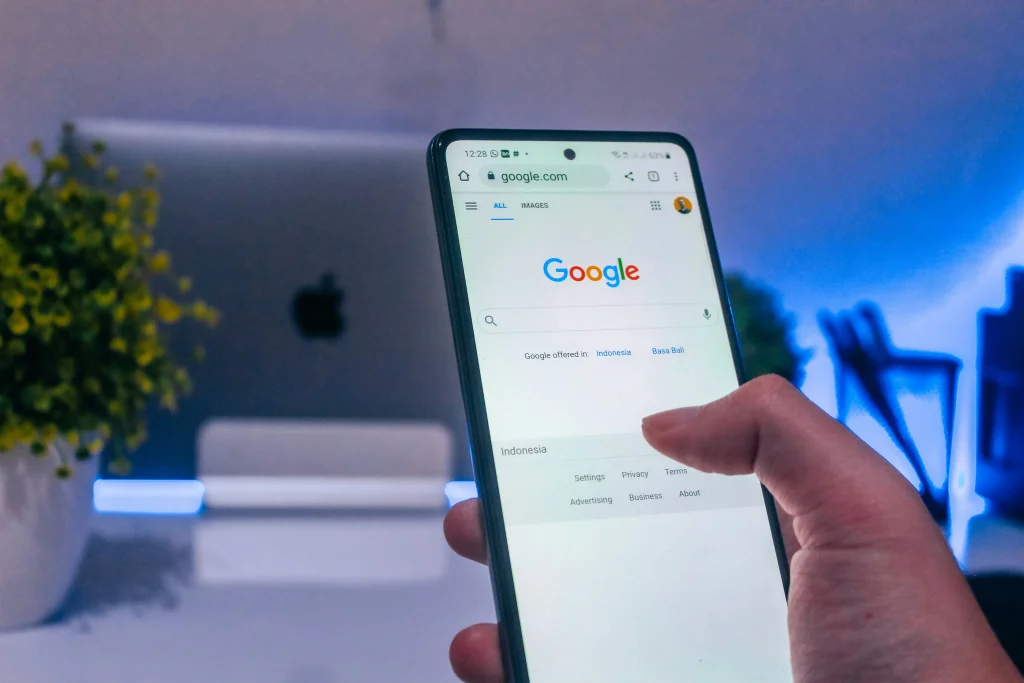
Automatic over-the-air updates will gradually reach compatible commercial phones, ensuring a smooth transition without requiring complex advanced technical configurations from the average consumer who uses these devices daily.
Successively, Google adds intrusion logs in monthly rollout packages, ensuring that critical fixes reach entire fleets of enterprise mobile devices deployed globally today simultaneously.
The rigorous schedules published by the company detail estimated dates according to associated brands and models, facilitating logistical planning for system administrators in large, high-level international organizations.
Read more: Google Photos video editor: new features for easy editing
Valuable preliminary pilot testing phases allow for the correction of unforeseen errors before mass launch, protecting the operational stability of millions of active smart terminals in today's technology market.
Various experts always advise keeping mobile devices firmly updated to immediately take advantage of these much-needed defensive improvements in the face of the sophisticated landscape of recurring international cyberattacks on our planet.
Conclusion
In short, the incorporation of advanced diagnostics represents a major step forward in safeguarding collective digital privacy against complex cyber threats that are constantly evolving today.
Major business organizations and individual users gain valuable, robust forensic tools that level the playing field against malicious actors specializing in breaching the security of today's modern smart mobile terminals.
Read more: Google Play and large apps: why they will lose visibility
For more in-depth information on additional security reports, you can consult the valuable institutional information provided by the Google Security Blog about recent updates and patches officially released today.

Frequently Asked Questions (FAQ)
Do these new logs affect the overall performance of the device?
No, the processes operate in the background in an optimized way to avoid any excessive battery consumption or system slowdown.
Who can access this detailed technical information?
Only authorized diagnostic tools and system administrators with specific permissions can consult the forensic data collected for absolute security.
When will older mobile phones receive the long-awaited update?
Rollouts depend directly on each hardware manufacturer, although Google prioritizes monthly patches on compatible, recently released devices.
\