
Galaxy S2 Ultra private screen: new viral feature
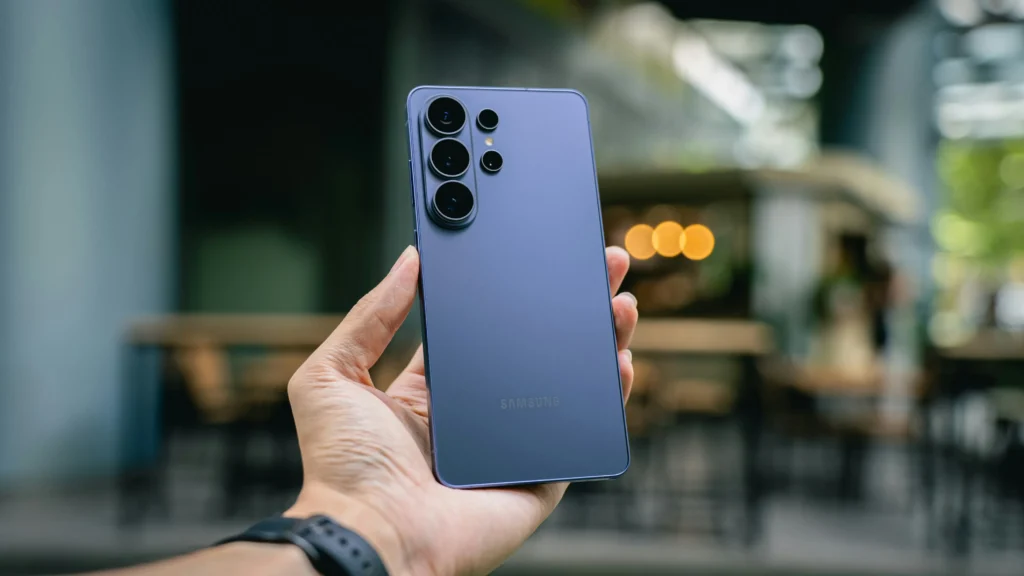
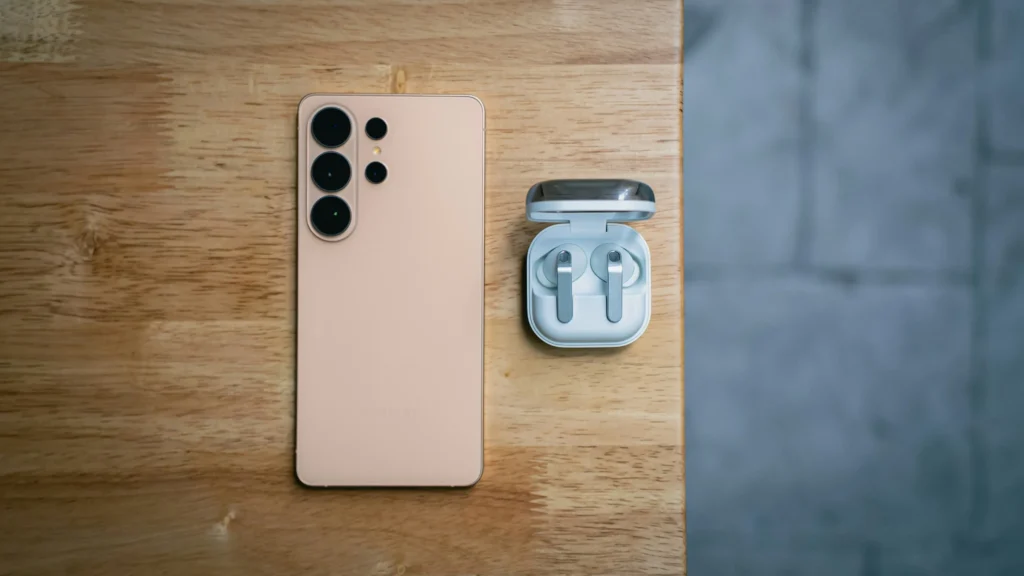
He Galaxy S26 Ultra private screen It is positioned as the most talked about and replicated hardware innovation on digital platforms during the first half of this year 2026.
Advertisements
The need to protect confidential data in public environments has driven the development of advanced optical technologies applied to next-generation mobile panels.
Users demand native tools that prevent third parties from viewing the information displayed on their screens without resorting to additional plastic screen protectors.
This smart function dynamically modifies the panel's viewing angles using artificial intelligence and electronically controlled polarization.
This detailed analysis explores the operation of the optical array, its impact on autonomy, real technical comparisons, and the correct configuration of biometric security.
Advertisements
What is variable nano-polarization technology applied to mobile privacy?
The basis of this advance lies in a liquid crystal matrix integrated directly onto the organic light emitting panel of the high-end device.
This additional layer responds to electrical micro-pulses controlled by the central processor, altering the physical direction in which the emitted photons propagate.
Activate the Galaxy S26 Ultra private screen It reduces the useful viewing angle to a mere thirty degrees with respect to the perpendicular central axis of the smartphone.
Any observer positioned to the sides will see a completely dark panel, devoid of distinguishable shapes or legible text.
This engineering solution definitively eliminates the need to adhere opaque tempered glass screen protectors that degrade the original touch experience.
The user maintains absolute control over when to share their visual content and when to shield their interface on public transport.
How does the artificial intelligence algorithm optimize the viewing angle in real time?
The device's front camera continuously analyzes the user's eye-tracking pattern using dedicated neural networks to adjust the direction of the light beam.
If the sensor detects that someone is looking at the panel, the screen instantly restricts its side visibility.
This automated response safeguards passwords, bank codes, and critical business conversations without interrupting the reading flow of the person holding the device.
For more detailed information on screen technical specifications, blue light emission certifications, and international mobile safety standards, please consult the Federal Communications Commission (FCC).
The processing is performed locally on the state-of-the-art chip, preventing biometric data collected by the camera from being leaked to external servers.
Optical privacy is thus merged with a highly secure, ethical, and confidentiality-respecting software environment.
What are the performance differences between digital shielding and traditional mica?
The adoption of this hardware feature raises questions about color fidelity and energy consumption of the premium display panel.
To assess the real impact of this integration compared to traditional accessory solutions on the market, analyze the following technical performance data:
| Optical Evaluation Parameter | Active Private Screen Function | Conventional Privacy Screen | Standard Screen Status | Impact on User Experience |
| Sustained Maximum Brightness | 1,800 real nits | 950 nits maximum | 2,600 real nits | Maintains visibility in sunlight |
| Color Accuracy (Delta E) | 0.4 (Excellent fidelity) | 2.1 (Distorted colors) | 0.2 (Reference grade) | Ideal for mobile photo editing |
| Effective Locking Angle | From 30° lateral | From 45° sides | From 85° lateral | Avoid casual sidelong glances |
| Additional Battery Consumption | 4% to 6% increase | 15% to 20% (By increasing brightness) | 0% (Baseline) | Extends overall daily autonomy |
The indicators confirm that the Galaxy S26 Ultra private screen It overcomes the physical limitations of mass-market plastic accessories.
Factory integration preserves the panel's ability to reproduce high dynamic range content without sacrificing the signature sharpness of the flagship.
Why does software automation transform this function into an essential tool?
Users can schedule custom routines so that optical blocking only activates when opening specific financial management or corporate messaging applications.
When you close these tools, the device automatically restores its original wide viewing angle for sharing videos with friends.
This configuration flexibility avoids the hassle of interacting with complex system settings menus every time visual protection is required.
Read more: WhatsApp changes 2026: new features on Android and iPhone
The interface adapts intuitively to the user's operational needs, enhancing the practical value of the integrated software ecosystem.
Synchronization with location services allows shielding to activate automatically when entering shared workspaces or congested airport terminals.
This digital perimeter defense layer mitigates the risks associated with social engineering and visual espionage in corporate environments.
When does this optical characteristic influence the accuracy of the ultrasonic fingerprint reader?
Unlike physical shields that interfere with the sound waves of the fingerprint sensor, the electronic privacy layer keeps acoustic transparency intact.
Biometric unlocking retains its million-dollar response speed and high recognition rate under any adverse weather conditions.
Read more: WhatsApp invisible mode 2026: how to easily activate it
This structural compatibility ensures that the transition to advanced authentication methods occurs without operational friction or repetitive read failures for the user.
Physical security and biometrics go hand in hand to consolidate a truly seamless and cutting-edge premium mobile experience.
The Future of Optical Privacy in Premium Mobile Telephony
The commercial success of this implementation marks a turning point in how manufacturers approach user security from a hardware perspective.
The development of advanced materials will continue to reduce the energy cost of these panels, democratizing the function in more accessible commercial segments.
Read more: Digital privacy news: what changed in 2026
Technological evolution demonstrates that true innovation lies not only in increasing raw power, but in solving everyday vulnerabilities of the contemporary user.
By shielding information from the physical environment, mobile telephony consolidates its position as the most secure tool for managing digital life.
To examine research on technology patents, advanced display panel analysis, and global trends in the consumer electronics industry, explore the portal of the World Intellectual Property Organization (WIPO).
Frequently Asked Questions (FAQ)
Does activating the private screen affect the sensitivity of the integrated stylus?
No, the liquid crystal layer responsible for light polarization is located beneath the outer protective glass and the device's touch digitizers.
The accuracy, pressure levels, and latency of the stylus remain identical to those of the conventional display mode.
Can this privacy feature be used if the phone has a standard tempered glass screen protector?
Yes, high-quality transparent protective lenses that do not have their own physical privacy filters allow the free passage of electronically polarized light.
The function will maintain its full lateral locking effectiveness regardless of the presence of this protection against severe mechanical impacts.
What happens if I try to take a screenshot while private mode is active?
The software screenshot will save the image with total sharpness, perfect colors and native resolution, since the blockage occurs at the physical level of light emission and not in the system's graphics memory.
The resulting file will be shared normally without any dark areas.
Does privacy mode reduce the adaptive refresh rate of the latest generation display?
No, the circuits that control optical polarization operate independently of the panel's refresh rate controllers.
The device will maintain its adaptive fluidity from one to one hundred and twenty hertz, guaranteeing smooth animations and extremely comfortable text scrolling.
\