
How to protect your personal information online
Learn to Protect your personal information online It is an urgent need to prevent identity theft, financial fraud, and the unauthorized exposure of your private data.
Advertisements
The current digital environment uses sophisticated data collection systems, where every search, transaction, or social interaction leaves a traceable footprint that is marketed by third parties without our consent.
What threats currently put your digital privacy at risk?
Modern cyberattacks have evolved from simple computer viruses to advanced social engineering techniques, designed to trick users into giving up their banking credentials.
Phishing via email and instant messaging impersonates legitimate organizations, prompting victims to enter confidential data on fake websites.
Understanding how Protect your personal information online It requires recognizing that cybercriminals exploit human trust rather than complex technical vulnerabilities in operating systems.
Advertisements
Reducing the intentional exposure of sensitive information on social media prevents malicious profiling, making it harder for external attackers to use family or work details to carry out personalized scams.
What are the essential tools to protect your digital presence?
Strengthening online security requires combining accessible technological solutions with strict configuration habits on all devices connected to public or home networks.
Using password managers, virtual private networks, and cryptographic access keys eliminates the reuse of weak keys, preventing unauthorized intrusions into your accounts.
The following table compares essential personal cybersecurity solutions, detailing their protective function, the level of technical complexity required to configure them, and their direct impact on overall security:
| Protection Tool | Main Security Function | Implementation Difficulty | Impact on Privacy |
| Two-Factor Authentication (2FA) | It requires a second physical step to log in. | Download (requires mobile app) | Very high (stops unauthorized access) |
| Cryptographic Password Manager | Generates and stores complex and independent keys | Media (requires a change of habits) | Very high (eliminates weak credentials) |
| Virtual Private Network (VPN) | Encrypt network traffic on public connections | Download (one-click activation) | Stop (hide your real IP address) |
| Privacy-Focused Browsers | They block commercial trackers and third-party cookies. | Download (direct download) | Medium (reduces digital footprint) |
Implementing these technologies creates effective protective barriers against massive data breaches, ensuring that an incident on one platform does not compromise the rest of your profiles.
Why is multi-factor authentication essential today?
Relying solely on a traditional password is insufficient against automated brute-force attacks that test millions of combinations per second on leaked databases.
Enabling two-step verification using authenticator apps or physical security keys ensures that only you can authorize access from new, unrecognized devices.
For technical guides on cybersecurity and international data protection recommendations, visit the Spanish Data Protection Agency.
Learn to Protect your personal information online This involves replacing SMS verification messages with encrypted authentication methods, preventing the hijacking of mobile lines through SIM duplication.
Regularly auditing active sessions in your banking and email applications allows you to close suspicious connections immediately, containing any breaches before you suffer monetary losses.
How to configure your devices to minimize data collection?
Reviewing the permissions granted to the applications installed on your mobile devices prevents unnecessary programs from continuously accessing your geographic location, contacts, and microphone.
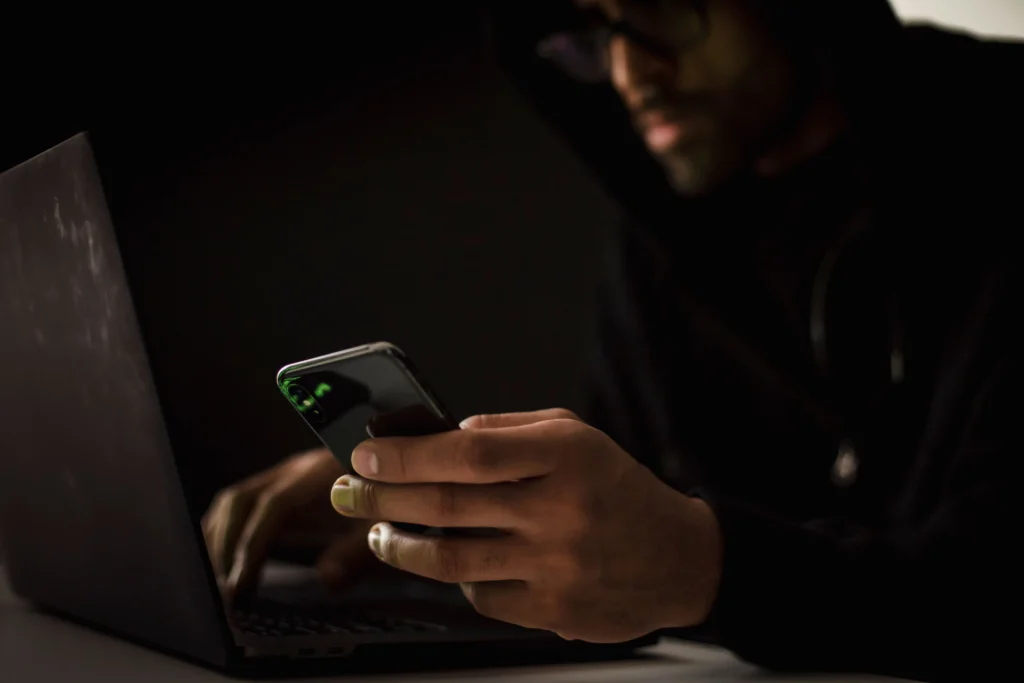
Disabling advertising tracking in your operating system settings reduces the amount of personal information shared with data intermediaries and digital advertisers without your authorization.
Read more: Controlling partner: behaviors you should recognize
Keeping operating systems and browsers up to date is crucial to fixing critical vulnerabilities discovered by security researchers before cybercriminals can exploit them on a massive scale.
Avoiding the use of open, unencrypted Wi-Fi networks protects the transmission of your credentials, preventing third parties from intercepting sensitive data packets while you browse in public spaces.
Where can I find official resources on cybersecurity and digital rights?
Knowing the legal regulations that protect your privacy gives you the right to demand the immediate removal of your personal data from unwanted commercial databases.
Read more: How to Protect Your Financial Data in the Digital Age
Government institutions offer methodological guides and reporting tools to help citizens respond quickly to incidents of fraud or identity theft.
Knowing how Protect your personal information online Strengthen your digital autonomy, ensuring you can take advantage of connectivity without putting your assets at risk.
To access informational resources, vulnerability alerts, and cybersecurity awareness tools, explore the portal of National Cybersecurity Institute.
Take preventative measures today, manage your digital permissions responsibly, and navigate the virtual environment with complete confidence, control, and personal security.
The peace of mind of a protected digital identity
Protecting your digital footprint doesn't require being a technology expert, but rather maintaining consistency in the use of security tools and preventive prudence.
Apply active strategies to Protect your personal information online, ensuring the confidentiality of your files and safeguarding your family's peace of mind against online threats.
Read more: How to Securely Protect Your Passwords
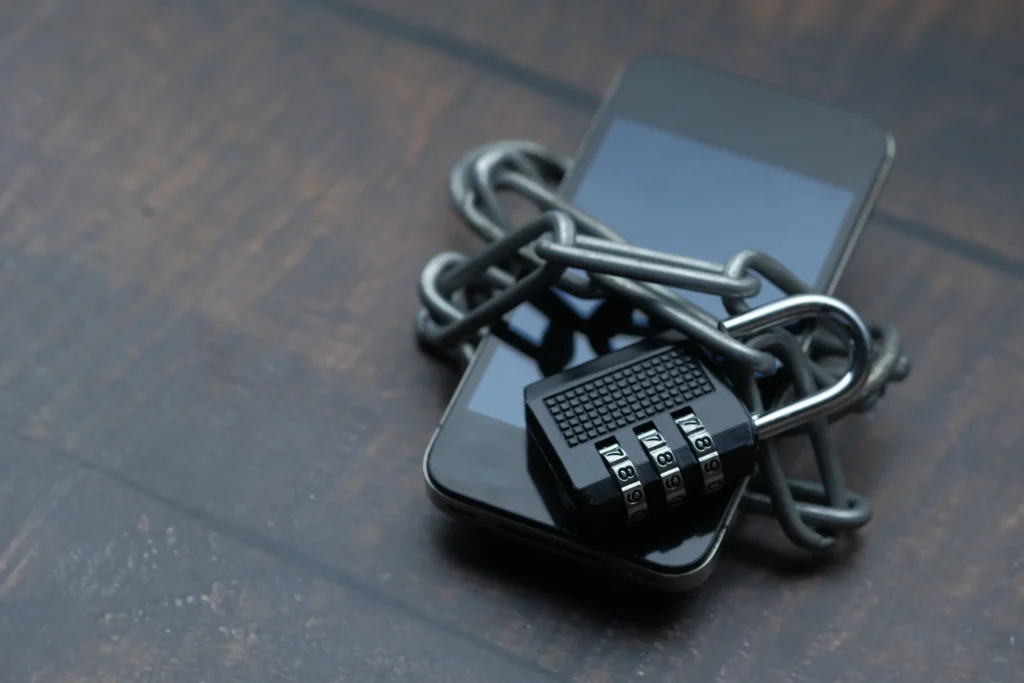
Review your privacy settings today, remove outdated apps, and take ultimate control of the data you share online.
FAQ (Frequently Asked Questions)
Is it safe to save my passwords directly in the web browser?
It is not recommended, as browsers are vulnerable to local malware; it is much safer to use a dedicated, encrypted password manager.
What should I do if I discover that my email address has been leaked?
Immediately change the password for that email and all linked accounts, and activate two-step authentication to prevent unauthorized access.
Do VPN networks guarantee total anonymity when browsing the internet?
They don't guarantee absolute anonymity, but they encrypt your connection and hide your real IP address, making it difficult for your network provider or third parties to track you.
How to identify if a text message or email is a phishing attempt?
Be wary of urgent messages that request personal information, verify the sender's real address, and never click on suspicious links without prior confirmation.
\