
How to clean my cell phone screen without damaging it
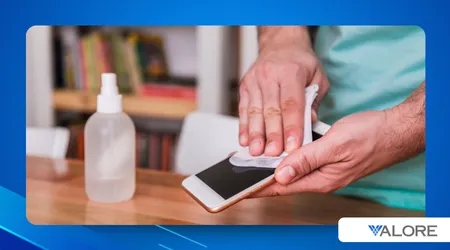
In today's fast-paced world where our smartphones are extensions of our lives, it is essential to know how to clean my cell phone screen without damaging it.
Advertisements
This article is your ultimate guide to keeping your device pristine and in perfect condition, ensuring its longevity and performance.
When we think about the hygiene of our devices, we often underestimate the amount of germs and bacteria they accumulate.
A recent study from the University of Arizona revealed that cell phones can harbor ten times more bacteria than a toilet seat.
This highlights the urgency of adopting proper cleaning habits, not only for aesthetics but also for our health.
Advertisements
The truth behind "magic" products and cleaning myths
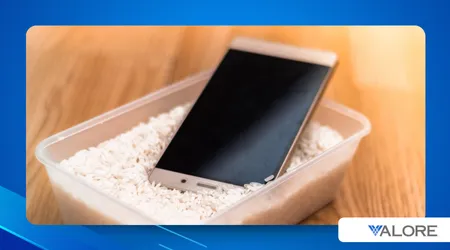
It's tempting to use anything at hand, like a dishcloth or even your shirt, to clean the screen.
However, these practices can cause microscopic scratches that, over time, deteriorate the quality of the screen and the oleophobic coating that protects it.
The analogy is simple: you wouldn't use sandpaper to clean a window, right? For the same reason, you need the right tools for your phone.
Many household cleaning products, such as high-concentration isopropyl alcohol or ammonia-based cleaners, are too abrasive for modern screens.
These products can dissolve protective layers, leaving the screen unprotected and prone to permanent smudges and fingerprints.
++The best apps for finding a job in Latin America in 2025
The key to clean my cell phone screen without damaging it It is moderation and the choice of specific products.
Essential tools and materials for safe cleaning
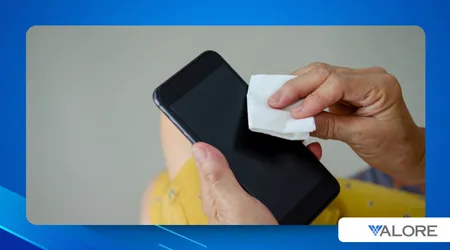
For effective and safe cleaning, you need a basic kit: a microfiber cloth, some distilled water, and, optionally, a specific screen cleaning solution.
A microfiber cloth, similar to the kind used to clean eyeglass lenses, is ideal because its tiny fibers trap dust and dirt without scratching the surface.
++Apps to clean your children's devices and keep them safe
It is the main tool for clean my cell phone screen without damaging it.
An example of safe cleaning is to use a microfiber cloth slightly moistened with distilled water.
The liquid should not be sprayed directly onto the screen. Instead, moisten the cloth and then wipe it with gentle, circular motions.
This technique prevents excess moisture from seeping into the device's ports and speakers.
The step-by-step process: how to clean safely
Before you begin, it's essential to turn off your phone. This prevents accidental electrical damage and allows you to see smudges and dust more clearly. Once it's off, you can begin working.
Removes dust and large particles: Using a dry microfiber cloth, make a first gentle wipe to remove loose dust particles.
++How to thoroughly clean your Android phone: safely delete all the junk
Do not apply pressure to avoid dragging particles that could scratch the screen.
Clean stubborn stains: If there are fingerprints or smudges, use a slightly damp microfiber cloth. The key is to apply minimal pressure.
Dry the screen: Finally, use another dry part of the cloth to polish the screen. Do this in a circular motion until the surface is free of fingerprints and shiny.
This simple and safe method is the most recommended by manufacturers for clean my cell phone screen without damaging it.
The importance of screen protectors
While proper cleaning is crucial, screen protectors offer an additional layer of defense.
Tempered glass protectors, for example, not only prevent scratches, but are also easier to clean and have more durable oleophobic coatings than the original screen.
Read more: The secret to cleaning cell phone, laptop, and TV screens without scratching them.
This is a proactive step to clean my cell phone screen without damaging it.
The following table compares the durability and effectiveness of different types of screen protectors:
| Type of Protector | Material | Scratch Resistance | Ease of Cleaning |
| Tempered Glass | Glass | High | Excellent |
| Plastic (PET) | Polymer | Low | Regular |
| Hydrogel | Polymer | Average | Good |
The data in this table is an example of how different materials behave during use and cleaning.
Hydrogel protectors are known for their ability to "self-repair" small scratches, making them an interesting option for those who want clean my cell phone screen without damaging it.
In the constant technological evolution, new cleaning tools are emerging, such as UV sterilizers. These devices promise to eliminate germs without chemicals or abrasives by irradiating the surface with short-wave ultraviolet light.
While they are effective at deactivating microorganisms, they do not remove physical dirt, such as fingerprints or oil stains.
Therefore, a UV sterilizer should be a complement to manual cleaning, not a replacement.
Users of phones with OLED displays, in particular, should be cautious with cleaning products.
These screens are known for their vibrant colors and deep blacks, but they are also more sensitive to certain chemicals.
Conclusion
Protecting your phone isn't just a matter of aesthetics, but an investment in its durability and your own hygiene.
By following these practical tips and avoiding common mistakes, you can ensure your device's screen remains flawless, extending its lifespan and maintaining its value.
Isn't it logical to take care of an object that we use so much? The question is rhetorical, because the answer is obvious. The habit of clean my cell phone screen without damaging it It is a simple practice with great benefits.
Frequently Asked Questions
Can I use isopropyl alcohol to clean my screen?
Only if diluted to a concentration of 70% or less. Higher concentrations can damage the screen's protective coating. It's best to opt for specific cleaning solutions.
What if my screen is made of a special material like Gorilla Glass?
Gorilla Glass and other similar glasses are designed to be tough, but they are not immune to scratches.
Using inappropriate cloths or abrasive products remains a risk. The methods described in this article are safe for these materials.
How often should I clean my phone?
A light wipe with a dry microfiber cloth can be done daily. A deeper wipe, to remove fingerprints and smudges, can be done weekly or as needed.
Can I use disinfectant wipes?
It depends on the ingredients. Many wipes contain alcohol or ammonia, which can be harmful. If you're unsure of the ingredients, it's best not to take any chances.
\