
Energy inflation in Latin America falls to its lowest level since October 2024
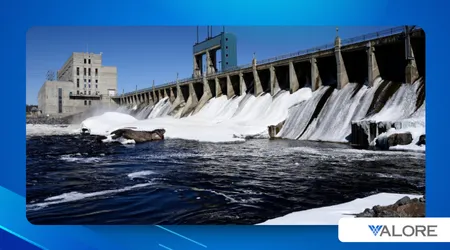
Energy inflation in Latin America falls And this data, more than just a figure, is a relief for millions of homes and businesses.
Advertisements
Relief in energy prices is emerging as a light at the end of the tunnel. After months of persistent inflationary pressures, the region is beginning to see the fruits of restrictive monetary policies.
This change in trend is no coincidence. It represents a crucial turning point. But what factors are behind this positive shift?
A Stabilization Scenario and New Dynamics
The global fuel price outlook has moderated. The global economic slowdown has reduced demand for crude oil.
This phenomenon has had a direct impact on regional energy markets.
Advertisements
The geopolitical situation has also contributed to the calm. The risks of supply disruptions have diminished. This has allowed oil and natural gas prices to stabilize.
The drop in natural gas prices has been particularly notable. Countries like Argentina and Brazil are benefiting from reduced import pressure. This alleviates their trade balances and public finances.
The diversification of the regional energy mix is advancing. Greater investment in renewable energy reduces dependence on fossil fuels. One example is the expansion of solar energy in Chile.
This provides greater resilience to international price fluctuations. Energy infrastructure becomes less vulnerable.
The Shockwave of Financial Relief
The reduction in energy inflation has a domino effect. It reduces pressure on industrial production costs. This translates into lower prices for consumers.
Consider freight transport. A lower diesel price reduces freight costs. This savings is passed on to final products.
It's as if a giant rock blocking the road were rolled aside. It allows the flow of goods and services to move more easily.
Headline inflation is also benefiting from this trend. Central banks in the region are gaining room to ease their policies.
This could pave the way for interest rate cuts. Such a measure would encourage investment and economic growth.
Family budgets also experience a direct improvement. Less money spent on electricity and gasoline frees up resources.
These funds can be used to purchase goods and services, boosting the domestic economy.
++ Methods for Setting Personal Goals That You Actually Achieve
A Look at the Data and the Reality on the Ground
According to data from the International Monetary Fund (IMF) from August 2025, the Energy inflation in Latin America falls in a generalized way.
In its latest report, the IMF highlighted that the region has avoided a price spike. This phenomenon has been kept under control thanks to a combination of global factors and national policies.

The specific figure reflects a 0.81% reduction in the energy price index compared to the previous quarter.
| Country | Energy Inflation Rate (July 2025) | Monthly Variation (July vs. June) |
| Chili | -0.5% | -0.3% |
| Brazil | -0.8% | -0.5% |
| Mexico | 1.2% | -0.1% |
| Colombia | 0.9% | -0.2% |
| Peru | -1.1% | -0.6% |
This table illustrates the trend. Countries like Chile and Peru are experiencing deflation in the energy sector.
On the streets of Mexico City, the price of gasoline has dropped. Drivers and taxi drivers are feeling the impact on their wallets. A concrete example is that the average taxi driver's weekly fuel expenditure has decreased.
In Argentina, the decline in energy costs is reflected in electricity bills. This benefits small and medium-sized businesses.
The manufacturing industry can now plan with greater certainty.
This decline is a palpable relief. The Energy inflation in Latin America falls And the positive impact is felt throughout the economic chain. Optimism is returning to the markets.
++ Monthly energy inflation in Latin America
The Role of Policies and the Near Future
Adjusting fiscal and monetary policies has been key. Many governments in the region have withdrawn fuel subsidies. This allows prices to better reflect the market.
Although painful in the short term, this measure strengthens public finances, avoids market distortions, and promotes efficiency.
The Energy inflation in Latin America falls without the need for expensive interventions.
The Energy inflation in Latin America falls And it's an encouraging sign. It's an indication that efforts to control prices are working. However, can we really declare victory?
Geopolitical risks and commodity market volatility persist. The region must remain cautious and plan for the long term.
The Energy inflation in Latin America falls and this relief is welcome. The Energy inflation in Latin America falls, but governments must continue to strengthen the energy matrix.
The road to lasting stability is long. Diversification and energy efficiency are vital.
++ How artificial intelligence is revolutionizing marketing
Conclusion: A Necessary, But Cautious, Relief
The decline in energy inflation is excellent news for the region. It offers a respite for consumers and businesses. It allows governments to rethink their economic priorities.
The path to a more robust and resilient economy is built step by step. Energy inflation in Latin America falls, but we can't let our guard down.
This trend reflects a favorable situation. It is an opportunity to consolidate policies that ensure long-term stability. The key is prudence and a forward-looking vision.
++ How to access your free digital medical record from your cell phone
Frequently Asked Questions
Why has energy inflation fallen in Latin America?
This is due to the moderation of global oil and natural gas prices, the slowdown in global demand, and the stabilization of international markets.
How does this drop affect my wallet?
The relief in energy prices translates into lower electricity, gasoline, and gas costs. This frees up resources in family budgets.
Is this trend permanent?
No, energy prices are volatile. Long-term stability depends on diversification of the energy mix and prudent economic policies.
Which countries benefit most from this situation?
All countries in the region benefit, but those with a high dependence on energy imports, such as Chile and Peru, experience more significant relief.
What role do renewable energies play in this scenario?
Investing in renewable energy reduces dependence on fossil fuels, making the region less vulnerable to international price fluctuations and contributing to long-term stability.
\